
SpaceVision 26
Research Symposium
Accepting Applications Now
Showcase your research to the SEDS community.
Apply to present at the SpaceVision 2026 Research Symposium for the unique opportunity to showcase your research on a national stage. Whether you are an independent researcher, university-affiliated, or representing your SEDS chapters, this is your moment to exhibit your work to SEDS students, professionals, and space industry leaders. From satellite design and space sustainability to lunar economics and mission simulations, all areas of space-related research are welcome.
Through the SV26 Research Symposium, you can exhibit your research to a panel of industry-expert judges for feedback and exposure. Additionally, new this year, see your poster on a larger stage as posters will be listed on the SEDS USA website for a larger base to exhibit.
Winning teams are announced at the Gala and the top 3 winners can receive a cash prize!
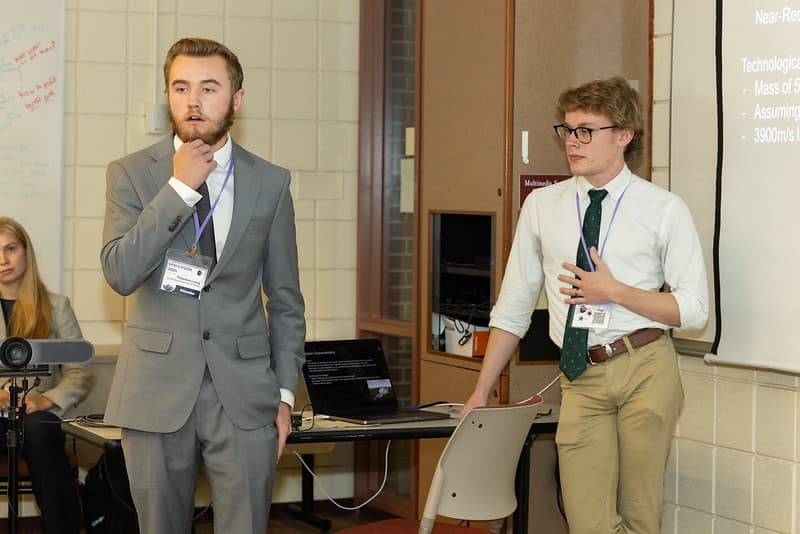
Who Can Apply?
The Research Symposium is open to all SEDS members present at SpaceVision and a part of an active SEDS Chapter. Team presentations are limited to 3 participants. Individuals presenting will be required to attend their poster for a 1 hour exhibit hall period. University affiliated or SEDS-affiliated research is not required, but an active SEDS chapter participation is required to enter your research. Attendance at the SV26 Gala is required.
2025 Winners
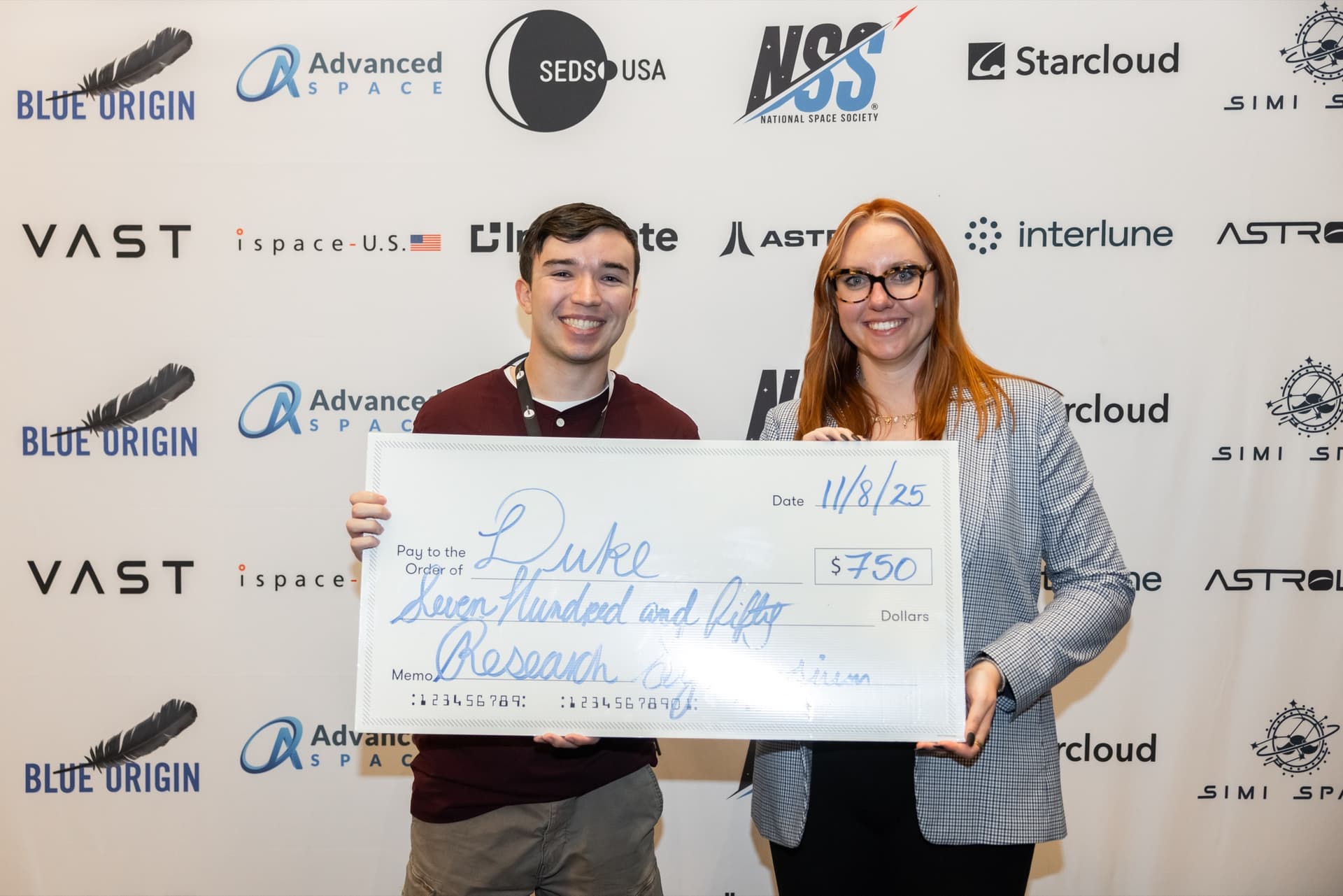
1st
Gavin Ockert — Duke University
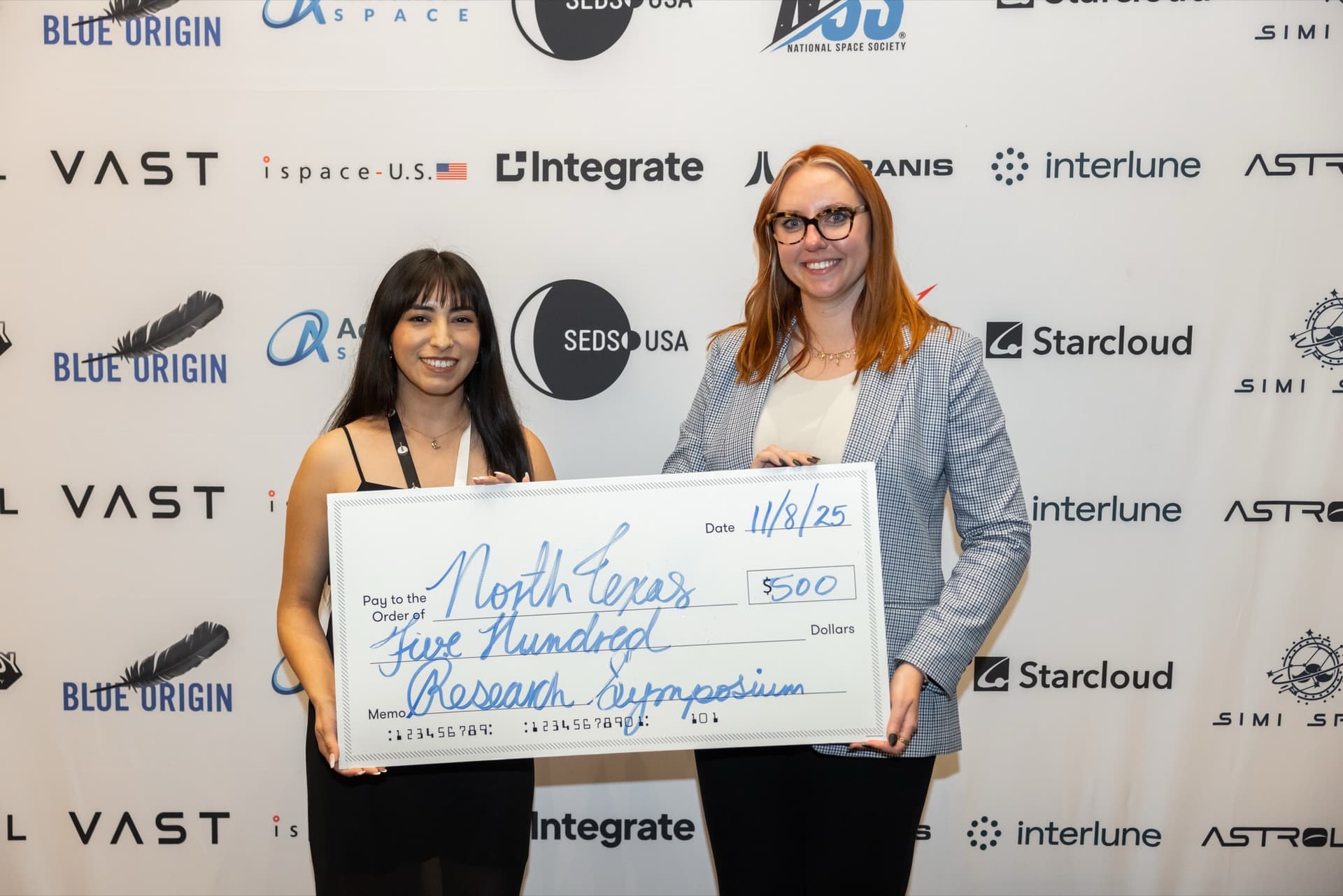
2nd
University of North Texas
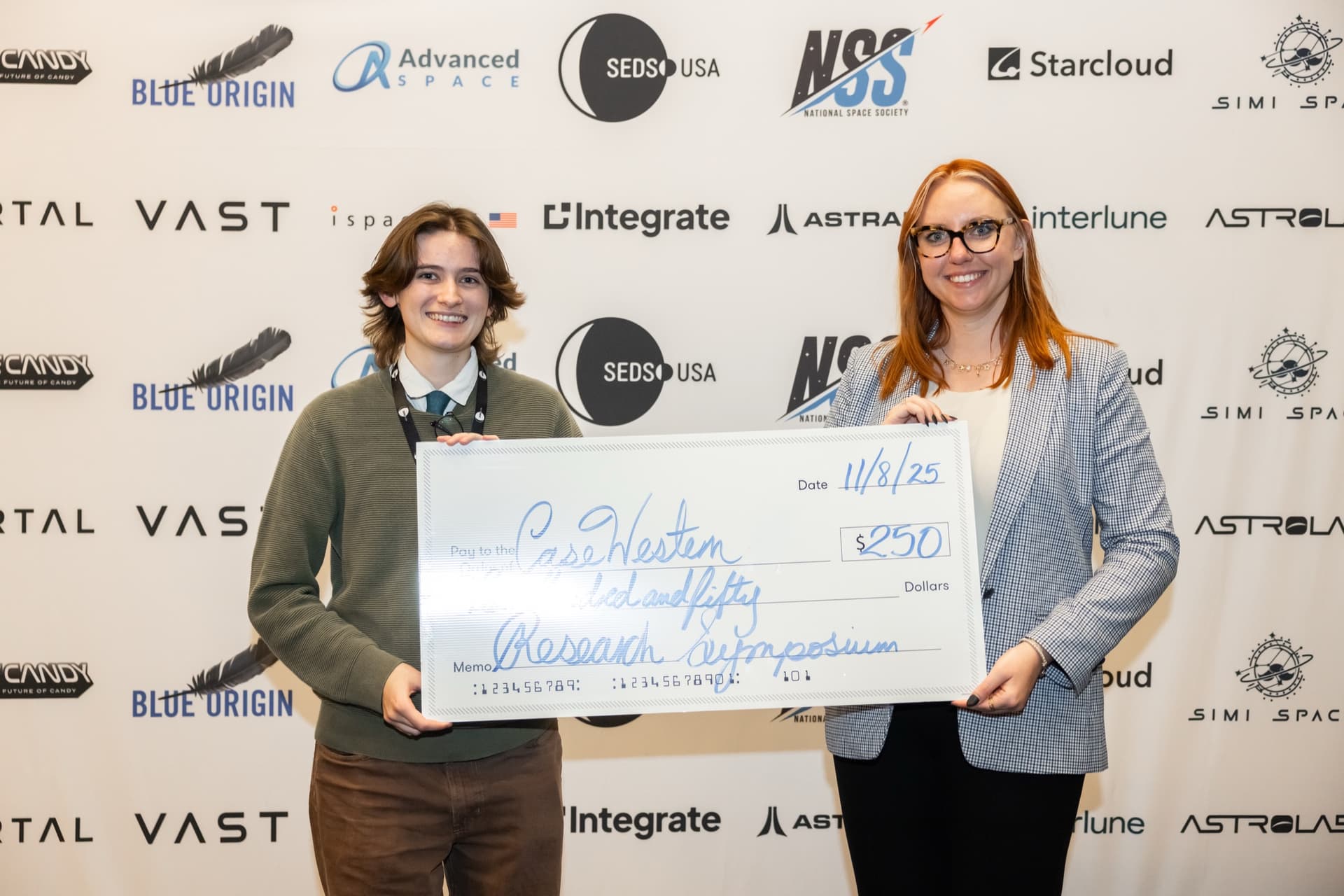
3rd
Case Western Reserve University
2025 Winner

Gavin Ockert — Duke University
“The research symposium was a fantastic opportunity for me to share my work in the space sciences while engaging with talented researchers from all over the country. It was a lot of fun learning about such a diverse range of astrophysical topics, and I really benefited from the practical experience that presenting my own work gave me. I would highly recommend that anyone passionate about their research participate.”
Join us in 2026 for your chance to grow your presentation skills, build your network, and create career defining opportunities for yourself and your chapter.